
Daily Affirmations and the Neuroscience of Stress: How to Reprogram Your Brain for Calm
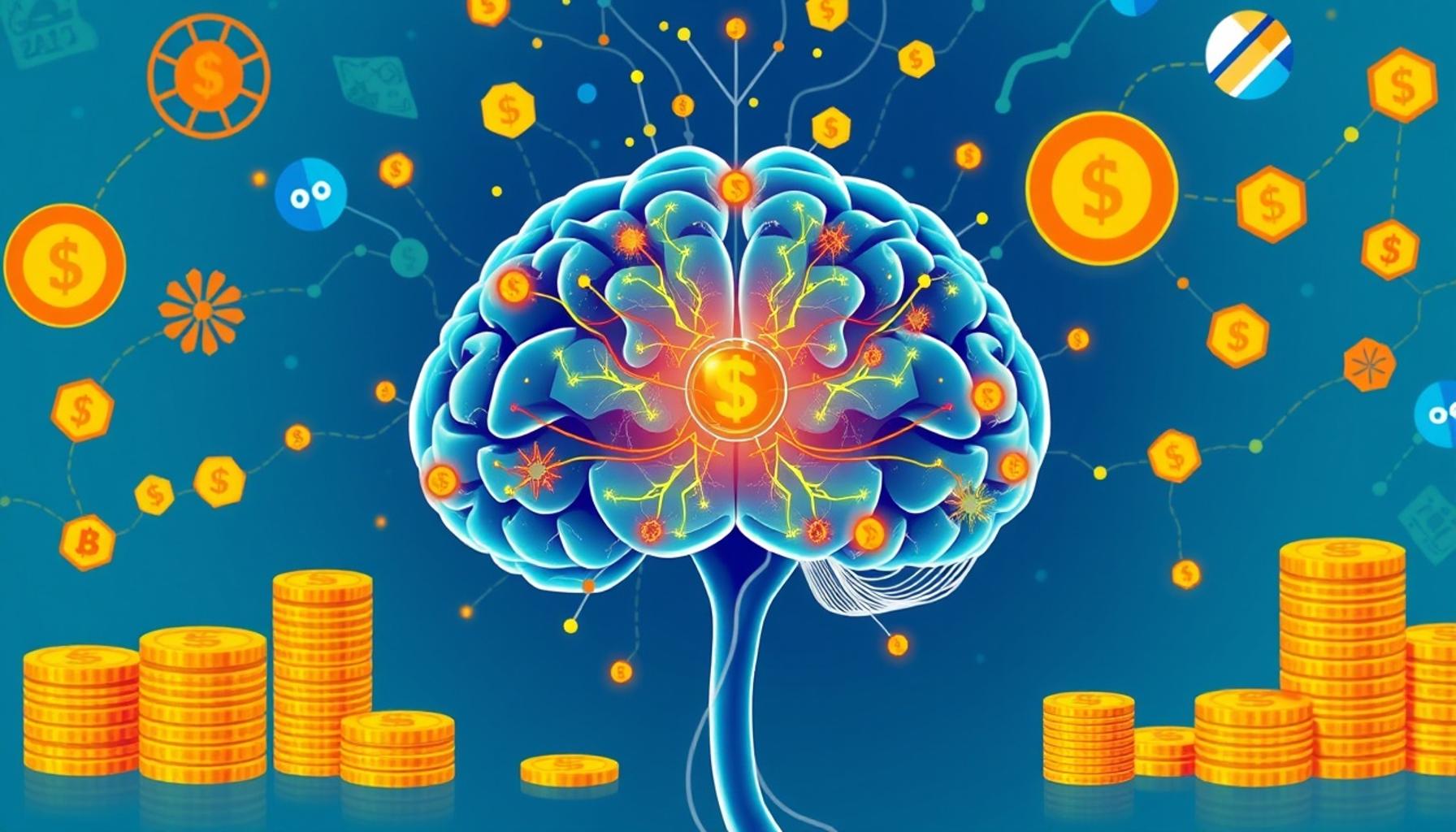
The Power of Positive Self-Talk
In the hustle and bustle of modern life, stress often feels inevitable. However, emerging research reveals that the way we talk to ourselves can fundamentally alter our brain’s response to stress. This intriguing connection between self-talk and stress management invites us to explore a simple yet effective tool: daily affirmations. These concise, positive statements can reshape our thought processes and ultimately enhance our emotional well-being.
Neuroscience Insights
Studies suggest that positive self-talk activates brain regions associated with emotional regulation, which plays a crucial role in how we handle stress. Specifically, neuroimaging research indicates that regions such as the prefrontal cortex—responsible for decision-making and moderating social behavior—become more engaged during positive affirmations. When we repeat affirmations such as “I am capable of overcoming challenges”, we reinforce our cognitive pathways, creating a mental framework that promotes resilience in the face of adversity.
Stress Reduction
Another compelling aspect of affirmations is their ability to lower cortisol levels, the hormone that fuels our experiences of stress. High cortisol levels can lead to various health issues, including anxiety, insomnia, and even cardiovascular disease. By consistently incorporating affirmations into our daily routines, individuals have reported not only feeling more at peace but also experiencing physiological changes indicative of reduced stress. For instance, one study found that participants who practiced affirmations reported experiencing a notable decrease in their perceived stress levels during challenging tasks.
Brain Reprogramming
Consistent practice of affirmations can lead to alterations in neural pathways, making calmness a more reflexive response. Just like training for a marathon, developing a habit of positive self-talk requires commitment and regular practice. Over time, the brain begins to process affirmations automatically—transforming once intrusive negative thoughts into affirming, constructive reflections. For example, a profound affirmation like “I embrace change and welcome new opportunities” can foster a mindset open to growth, whether during major life transitions or daily challenges.
While many may dismiss affirmations as mere platitudes, scientific evidence supports their efficacy in transforming our mental landscape. Each affirmation serves as a deliberate interruption of negative thought patterns, creating a pathway for a more serene mindset. In a world where we are often our harshest critics, daily affirmations can serve as a vital tool for self-love and empowerment.
This article delves into the intersection of daily affirmations and their impact on the neuroscience of stress. By understanding how these simple phrases work, you can reclaim your peace of mind and foster emotional resilience, helping you navigate the complexities of everyday life with greater ease. Explore the potential of affirmations and engage in this empowering practice to enhance your overall well-being.
DISCOVER MORE: Click here to learn about positive affirmations
Daily Affirmations: Transformative Tools for Stress Management
As we navigate the complexities of life, our minds can often become cluttered with negativity. This is where the power of daily affirmations shines as an accessible technique with the potential to combat stress. Research indicates that consistently practicing affirmations can play a significant role in how we respond to stressful situations. By intentionally directing our thoughts towards positivity, we can begin to shift not just our mindset but, quite surprisingly, the very structure of our brains.
The Role of Neuroplasticity
Neuroscience has unveiled a fascinating concept known as neuroplasticity—the brain’s ability to reorganize itself by forming new neural connections throughout life. This adaptability suggests that even entrenched habits of negative thinking can be altered through deliberate practice, such as the use of affirmations. A key aspect of neuroplasticity is that every thought we have can reinforce certain neural pathways, effectively laying down tracks in our mental landscape. By integrating affirmations into our daily routines, we can intentionally pave new paths toward a calmer, more resilient self.
How Affirmations Influence Stress Management
The impact of daily affirmations on stress management is underlined by their capacity to cultivate a state of well-being. Some of the major benefits include:
- Regulation of Emotions: Affirmations can help in regulating emotions by promoting a sense of control over our thoughts, which can mitigate feelings of anxiety.
- Increased Self-Esteem: By repeating positive messages, individuals often find an increase in their self-confidence and self-worth, which contributes to a more stable emotional state.
- Positive Outlook: Regularly practicing affirmations can shift our focus from negative experiences to a more optimistic perspective.
Real-World Applications
Incorporating affirmations into daily life can take many forms, allowing for personalized approaches that fit individual needs. Many people choose to:
- Write down affirmations in a journal as part of their morning routine.
- Utilize reminders on their phones to recite affirmations throughout the day.
- Incorporate affirmations into mindfulness or meditation practices, reinforcing a sense of calm and awareness.
By doing so, individuals not only create a moment of reflection but also embed these positive affirmations into their subconscious, making them more accessible during times of stress. The idea is simple yet powerful: the more we affirm our strengths and capabilities, the more resilient and calm we become in the face of life’s challenges.
Understanding the relationship between daily affirmations and the neuroscience of stress provides a compelling case for their inclusion in our mental wellness toolkit. As we delve deeper into this subject, it becomes clear that the journey to a calmer mind is not merely wishful thinking but a scientifically supported endeavor that begins with our very own words.
| Advantages | Details |
|---|---|
| Emotional Resilience | Daily affirmations can help build emotional resilience by reinforcing positive self-identity and reducing negative thoughts. |
| Stress Reduction | Practicing affirmations activates brain pathways associated with calmness, leading to decreased stress levels. |
| Neuroscience Support | Research shows that frequent affirmations can modify brain chemistry and promote more adaptive responses to stressors. |
| Increased Mindfulness | By focusing on daily affirmations, individuals can enhance their mindfulness, improving their overall mental health. |
Incorporating daily affirmations into your routine not only nurtures a positive outlook but also fosters a deeper connection with your mind’s capabilities. The practice allows individuals to actively engage with their mental patterns, rewiring the brain for a strategic response to challenges. Through the lens of neuroscience, the consistent practice of affirmations emerges as a powerful tool for both emotional and cognitive well-being, demonstrating a profound link to stress management. As we delve deeper into this subject, understanding the mechanisms at play and their influence on our daily lives can prepare us for a transformative journey toward achieving tranquility through mindful practice.
DIVE DEEPER: Click here to explore the power of positive affirmations
The Science Behind Affirmations and Their Effect on Stress
Understanding how daily affirmations operate on a neurological level offers critical insights into their effectiveness for stress management. The brain undergoes various biochemical changes in response to thought patterns. Particularly relevant here is the role of the amygdala, the region responsible for processing fear and stress. When faced with anxiety-inducing situations, the amygdala activates, triggering a cascade of stress hormones, primarily cortisol. Regular use of affirmations can reduce this activation, effectively retraining the brain’s response to stress.
Cortisol and Its Impacts
Evidence suggests that affirmations have the potential to lower cortisol levels and can consequently reduce stress-related symptoms. High cortisol is linked to a host of negative health outcomes, including weakened immune function, increased inflammation, and higher susceptibility to chronic diseases. A study published in the Journal of Health Psychology found that participants who engaged in positive self-affirmation exercises exhibited lower levels of cortisol in response to challenges. This indicates that affirmations not only foster a positive mindset but can also have tangible physiological benefits.
The Mind-Body Connection
The relationship between our mental and physical states cannot be overstated. When stress levels are high, the body tenses, which can lead to discomfort and pain. Affirmations work on the principle of the mind-body connection by promoting relaxation and enhancing emotional regulation. By utilizing affirmations like “I am calm and in control,” individuals can help decrease tension in their muscles and promote a sense of overall tranquility. This becomes especially significant in environments that foster chronic stress, such as high-pressure jobs or personal circumstances. A calm mind and body create an ecosystem for healthier decision-making and interactions.
Use of Technology for Affirmations
In today’s digital age, technology offers innovative platforms to enhance affirmation practices. With mental health applications rising in popularity, users can access guided meditation and affirmation sessions tailored to address stress. Popular apps like Headspace and Calm incorporate affirmation practices into their offerings, making it easier for communities across the United States to engage in regular practice. The combination of auditory guidance and personalized affirmations can create a collective moment of mindfulness that bolsters the effectiveness of positive thinking.
Community and Support Networks
While individual practices are beneficial, the power of community enhances the effectiveness of daily affirmations. Support systems—like groups or clubs that focus on mental wellness—promote a culture of positivity and resilience. Engaging with like-minded individuals fosters accountability and reinforcement of affirmations, which can amplify their effects. Additionally, sharing personal affirmations can serve as inspiration for others, creating a broader impact on community well-being.
The intersection of daily affirmations and neuroscience unveils a promising avenue for managing stress effectively. As studies continue to illustrate the concrete benefits of positive thinking and neuroplasticity, affirmations stand out as a universally adaptable practice for those seeking mental clarity and calm in today’s turbulent world. Embracing this technique could not only pave the way for individual transformation but may also foster a collective shift toward emotional resilience.
DISCOVER MORE: Click here to learn about positive affirmations
Conclusion: Harnessing Affirmations for Stress Management
As we’ve explored the synergy between daily affirmations and the neuroscience of stress, it becomes increasingly clear that these powerful tools can reshape our mental landscape. The biological responses we experience during stressful situations—centered in the amygdala—can be tempered through conscious practice. The evidence supporting the reduction of cortisol levels through affirmations highlights a transformative pathway toward both emotional resilience and physical well-being.
Incorporating affirmations into your daily routine not only promotes a sense of calm but also initiates a ripple effect that extends beyond the individual. As we engage in these positive self-affirmations, we foster connections with our body and mind, leading to better emotional regulation and responsiveness to stressors. In today’s fast-paced world, where anxiety can often feel overwhelming, the ability to reprogram our thoughts and reactions is essential.
Moreover, the advent of technology has made these practices more accessible than ever, with a wealth of mental health apps available at our fingertips. Engaging with community support and shared experiences further enhances the depth of these practices, making positivity a collective effort. It’s time to embrace daily affirmations not just as simple phrases, but as substantial mental health strategies that pave the way for resilience and serenity in our lives.
Ultimately, daily affirmations represent a proactive approach to combatting stress and inspiring change. By dedicating time to these practices, individuals can unlock the innate ability to cultivate a peaceful mind, embracing a journey toward holistic well-being.