
Integrating Daily Affirmations into Your Routine: A Path to Reducing Stress and Anxiety

Unpacking the Benefits of Daily Affirmations
In today’s fast-paced world, stress and anxiety can feel like constant companions. Many people are searching for effective ways to reclaim their mental well-being. One powerful tool that’s gaining traction is the practice of daily affirmations.
What makes daily affirmations so appealing? The benefits are profound and multifaceted. Here are some inspiring advantages of incorporating this practice into your daily life:
- Boosts self-esteem: By positively affirming your abilities—such as saying “I am capable” or “I deserve success”—you can enhance your confidence levels. Research has shown that self-affirmation can lead to improved performance and resilience when facing challenges.
- Reduces negative thoughts: Engaging in daily affirmations provides a structured way to combat negative self-talk. For instance, replacing “I am not good enough” with “I am worthy and talented” shifts your mindset, allowing for more empowering thoughts to take root.
- Enhances focus: Daily affirmations can help center your thoughts and prioritize your goals. By articulating your intentions, such as “I focus on what I can control today,” you are more likely to stay productive and present throughout your tasks.
The impact of daily affirmations isn’t just anecdotal; various studies support the idea that integrating these simple yet powerful phrases can significantly reduce anxiety and foster a more balanced life. According to a study published in the journal Psychological Science, individuals who practiced self-affirmation exhibited lowered stress levels and a greater sense of well-being.
For those in the United States, the practice of daily affirmations can be personalized to resonate deeply with cultural contexts and individual experiences. Whether reciting affirmations in the shower, posting them on your bathroom mirror, or jotting them down in a dedicated journal, the key is consistency and genuine belief in the words being spoken.
Consider trying affirmations that reflect your personal aspirations or cultural heritage. For example, one might affirm, “My voice matters,” which encourages self-advocacy and community engagement, particularly among young people navigating social issues. This personalization ensures that affirmations resonate on a deeper level, connecting with the heart of one’s experience.
Ready to dive deeper? Understanding how to seamlessly integrate affirmations into your routine could be the first step towards a more peaceful and fulfilling life. Experiment with different methods, such as morning rituals or meditative practices, to discover what aligns best with your lifestyle.
DISCOVER MORE: Click here to learn how to turn negativity into growth
Practical Ways to Integrate Daily Affirmations
Integrating daily affirmations into your routine may seem like an abstract concept at first, but in reality, it is a straightforward practice that can fit seamlessly into your life. The beauty of affirmations is their versatility; they can be customized to suit various lifestyles, preferences, and goals. Here are some practical ways to weave this empowering exercise into your daily regime:
- Morning Mindset: Begin your day with a dedicated affirmation session. As soon as you wake up, take a moment to recite your chosen affirmations. This can set a positive tone for the day and help reduce morning anxiety. For instance, saying “Today, I will embrace my power” can instill a sense of confidence right from the start.
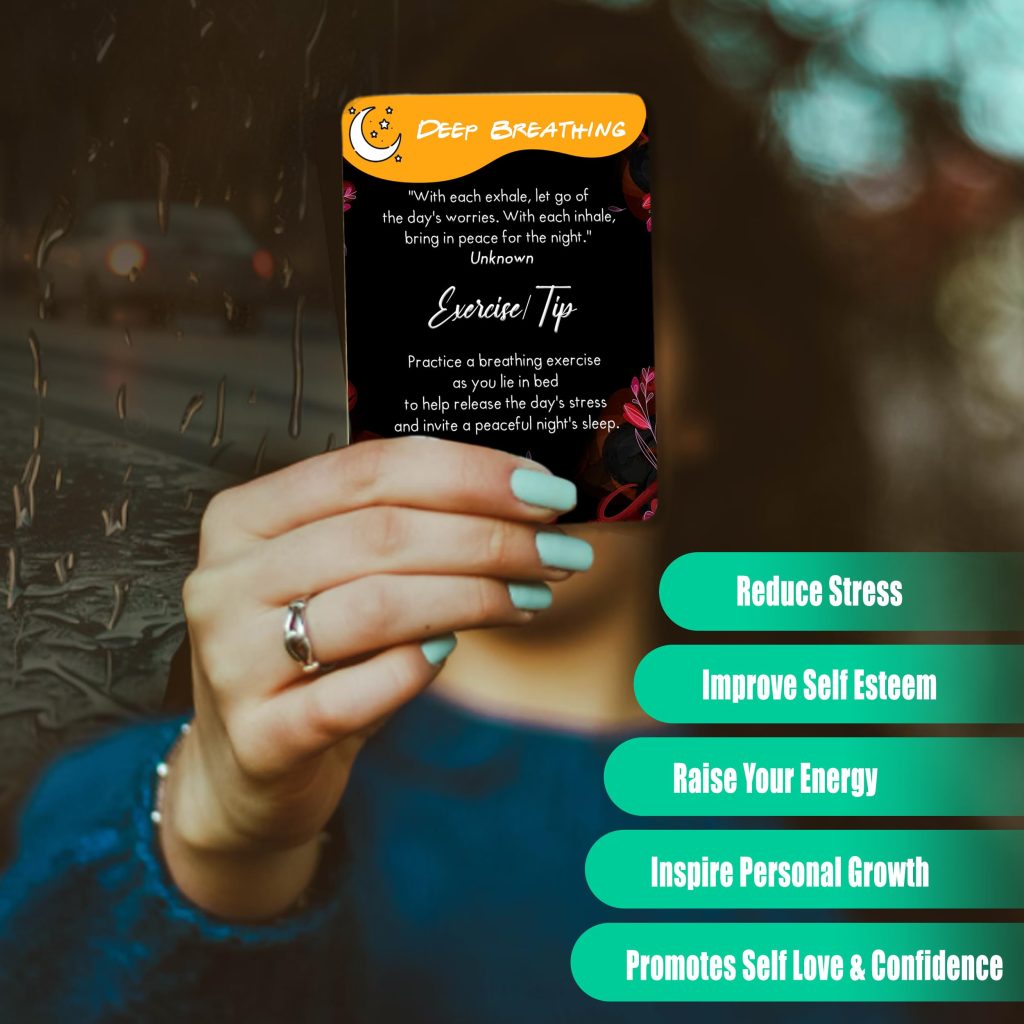
- Mindful Breathing: Integrate affirmations into your mindfulness practice. As you engage in deep breathing exercises, repeat affirmations in sync with your inhales and exhales. Phrasing like “With each breath, I release my stress” creates a powerful association between your breath and calming thoughts.
- Visual Reminders: Surround yourself with positivity by placing written affirmations where you’ll see them frequently. Consider sticky notes on your bathroom mirror, refrigerator door, or workspace. Each time you encounter these reminders throughout the day, take a moment to pause and reflect on them.
- A Gratitude Journal: Incorporate affirmations into a daily gratitude journaling practice. Each night, write down three things you’re grateful for, followed by a few affirmations that encapsulate your achievements or aspirations. This exercise not only fosters positivity but also encourages reflection on your growth.
- End-of-Day Reflection: Before going to bed, recite affirmations that center around rest and gratitude, such as “I am at peace and ready for restful sleep.” This practice can help soothe your mind and relieve anxiety stemming from the day’s events.
It’s important to note that the effectiveness of daily affirmations often hinges on the belief in the words spoken. As you incorporate them into your routine, focus on connecting emotionally with the phrases you choose. If you find yourself skeptical, try affirmations that are less grandiose but resonate more deeply with your personal experiences. For example, instead of “I am perfect,” affirm “I am making progress.” That small shift can feel more attainable and foster genuine belief in your affirmations.
Research indicates that this kind of emotional connection enhances the impact of affirmations. A study published in the journal Psychology and Health found that individuals who engaged in affirmations linked to their personal values experienced greater reductions in stress and anxiety than those who did not personalize their affirmations. Therefore, consider your unique journey and find words that resonate with your personal truth.
As with any new habit, consistency is key. Start small, choosing a few affirmations that resonate with you and integrating them into your routine in a way that feels manageable. Over time, as you practice this commitment to positive self-talk, you’ll likely notice shifts in your mindset and a decrease in stress and anxiety levels.
| Daily Affirmations | Emotional Wellbeing |
|---|---|
| Increased Self-Esteem | Fosters a more positive self-image and combats negative thoughts. |
| Enhanced Focus | Helps you concentrate on your goals and aspirations, leading to improved productivity. |
| Stress Reduction | Daily affirmations can lower cortisol levels, the stress hormone, leading to greater relaxation. |
| Improved Resilience | Encourages a growth mindset to navigate life’s challenges more effectively. |
Integrating daily affirmations into your routine not only serves as a powerful tool for personal empowerment but also significantly impacts your mental and emotional wellbeing. The practice of repeating positive statements can counteract daily stressors, creating a shield against anxiety. This simple yet effective practice aligns with cognitive behavioral techniques that emphasize the power of thoughts in shaping feelings and behaviors. Research indicates that engaging in affirmations leads to an increased sense of self-efficacy. This means individuals begin to believe more firmly in their capabilities, thus fostering a strong reservoir of resilience. Beyond mere verbal repetition, the act of aligning these affirmations with personal goals enhances the commitment towards achieving them. Furthermore, the mere act of taking a few moments each day to reflect on personal strengths cultivates a fertile ground for mindfulness. This approach not only allows individuals to appreciate their self-worth but also prepares a more grounded perspective when facing external pressures. Incorporating daily affirmations can lead to profound changes, making them an essential practice for anyone seeking to alleviate stress and anxiety. As you include this practice into your life, consider the specific affirmations that resonate with your experiences and aspirations, as these personalized statements will enhance your connection to the process.
DISCOVER MORE: Click here to delve deeper
The Science Behind Affirmations: Why They Work
As you embark on incorporating daily affirmations into your routine, understanding the science behind their effectiveness can enhance your commitment to this practice. Affirmations are not just positive slogans; they are grounded in psychological principles that demonstrate their capability to transform thoughts and emotions. Research shows that positive self-affirmations can trigger a physiological response in the brain, leading to reduced levels of stress hormones and an elevated sense of well-being.
Studies indicate that affirming personal values can foster resilience against stress. A research article published in Psychological Science highlighted that individuals who practiced affirmations related to their core values reported lower levels of anxiety in stressful situations compared to those who did not. This suggests that daily affirmations can serve as a buffer against the rigors of life, promoting emotional well-being and mitigating feelings of anxiety.
Creating Effective Affirmations
While the practice of affirmations is potent, the words you choose significantly impact their effectiveness. For maximum benefit, your affirmations need to resonate with you on a personal level. Consider using the following tips to craft affirmations that truly reflect your unique circumstances:
- Make Them Present Tense: Construct affirmations in the present tense as though the positive outcome is already your reality. For example, instead of saying “I will be calm,” try “I am calm and collected.” This language can trick your subconscious into believing that you already embody this state.
- Keep Them Specific: Vague affirmations may lack the necessary weight; specificity gives them power. Rather than stating “I am happy,” specify what happiness looks like for you: “I find joy in my daily interactions and celebrate my accomplishments.”
- Invoke Emotion: Use emotionally-charged words that evoke strong feelings. Words like “powerful,” “energized,” and “grateful” can help create the desired emotional response as you repeat your affirmations.
By crafting affirmations that align closely with your personal experiences and aspirations, you can build a strong foundation for mental resilience. In fact, a study conducted by *American Psychological Association* found that participants who engaged in personalized affirmations experienced significant reductions in anxiety levels, reinforcing the claim that connection and authenticity are integral components to their success.
Overcoming Challenges in Practice
Despite the benefits, it’s common to encounter hurdles when implementing daily affirmations. Initial resistance is natural, particularly if you’re unaccustomed to positive self-talk or accustomed to a more critical inner voice. To overcome this, remember that affirmations are a practice, not a performance. Approach them with kindness towards yourself, embracing the journey rather than seeking perfection from the start.
If negative thoughts surface while practicing affirmations, acknowledge them without judgment. Tools like mindfulness meditation can support this endeavor, allowing you to observe these thoughts and recenter your focus on your affirmations. In doing so, you gradually promote cognitive flexibility—meaning your mind becomes more adept at shifting from negative to positive thoughts with ease.
Another potential challenge lies in consistency. Life is busy, and the demands of work, family, and social obligations can sidetrack even the best intentions. To combat this, consider integrating reminders into your calendar or phone, ensuring that your affirmation practice remains a dedicated part of your daily schedule. Additionally, connecting with a community or online support group engaged in similar practices can reinforce your habit and provide encouragement when you encounter hurdles.
DIVE DEEPER: Click here to uncover the science behind stress reduction</p
Conclusion: Embracing Affirmations for a Calmer Mindset
Integrating daily affirmations into your routine is more than just a trend; it’s a transformative practice that can lead to significant reductions in stress and anxiety. As we’ve explored, the scientific backing for affirmations highlights their ability to reshape our mental landscapes, fostering resilience and enhancing emotional well-being. When crafted thoughtfully with attention to present tense, specificity, and emotional resonance, affirmations can become powerful tools for navigating life’s challenges.
While initial resistance and consistency may pose challenges, remember that the journey of self-affirmation is a gradual process. Embracing a mindset of self-kindness and using techniques like mindfulness can help you overcome these hurdles, allowing you to cultivate a more positive internal dialogue. Setting reminders and connecting with supportive communities can make it easier to maintain this practice amidst a busy daily life, reinforcing your commitment to mental wellness.
As you make daily affirmations a staple of your routine, consider documenting your experiences to track changes in your stress levels and overall mindset. This reflective practice not only reinforces the positive effects but also clarifies the value of your affirmations over time. By actively engaging with this powerful technique, you’re taking deliberate steps on a path leading to reduced anxiety, increased self-acceptance, and a more peaceful state of mind. Ultimately, each affirmation is a small yet profound pledge to embrace positivity, fortifying your mental resilience against life’s pressures.