
Positive Affirmations: Cultivating a Calm Mindset in Times of Stress

Understanding the Power of Positive Affirmations
Life often throws challenges our way, especially in high-stress environments. In such moments, our mindset can make a significant difference. Positive affirmations serve as a powerful tool to cultivate a calmer, more resilient mindset.
What Are Positive Affirmations?
- Simple statements that reinforce positive thinking.
- Designed to challenge negative thoughts and promote self-belief.
- Can be tailored to personal goals, stress management, and emotional healing.
Positive affirmations are brief, yet impactful statements that individuals can repeat to themselves to encourage a shift in their mindset. For instance, saying “I am capable of overcoming challenges” can initiate a day filled with confidence and determination. These statements empower the individual by counteracting the inherent negativity that often creeps into our daily thoughts. This concept hinges on the belief that what we tell ourselves shapes our reality and influences our actions.
Benefits During Stressful Times
Incorporating positive affirmations into your daily routine can offer numerous benefits:
- Reduces anxiety by shifting focus from negativity.
- Enhances self-esteem and fosters self-compassion.
- Promotes resilience, preparing you to face challenges head-on.
Research indicates that consistent practice of positive affirmations can lead to long-term changes in our brain’s structure. The neuroplasticity involved means we can literally reshape our thoughts over time. A study published in the journal *Psychological Science* found that those who practiced positive self-affirmation techniques experienced lower levels of stress hormones in response to challenging situations. This physiological response indicates a reduction in anxiety and an increase in overall emotional well-being.
Furthermore, the long-term benefits extend beyond immediate stress relief. Regularly reciting positive affirmations can lead to increased resilience when facing life’s inevitable hardships. For example, individuals recovering from loss or significant life changes often report feeling empowered to move forward when they actively engage in self-affirmation practices. As their self-belief strengthens, they are better equipped to tackle obstacles with a proactive mindset, rather than succumbing to fear and doubt.
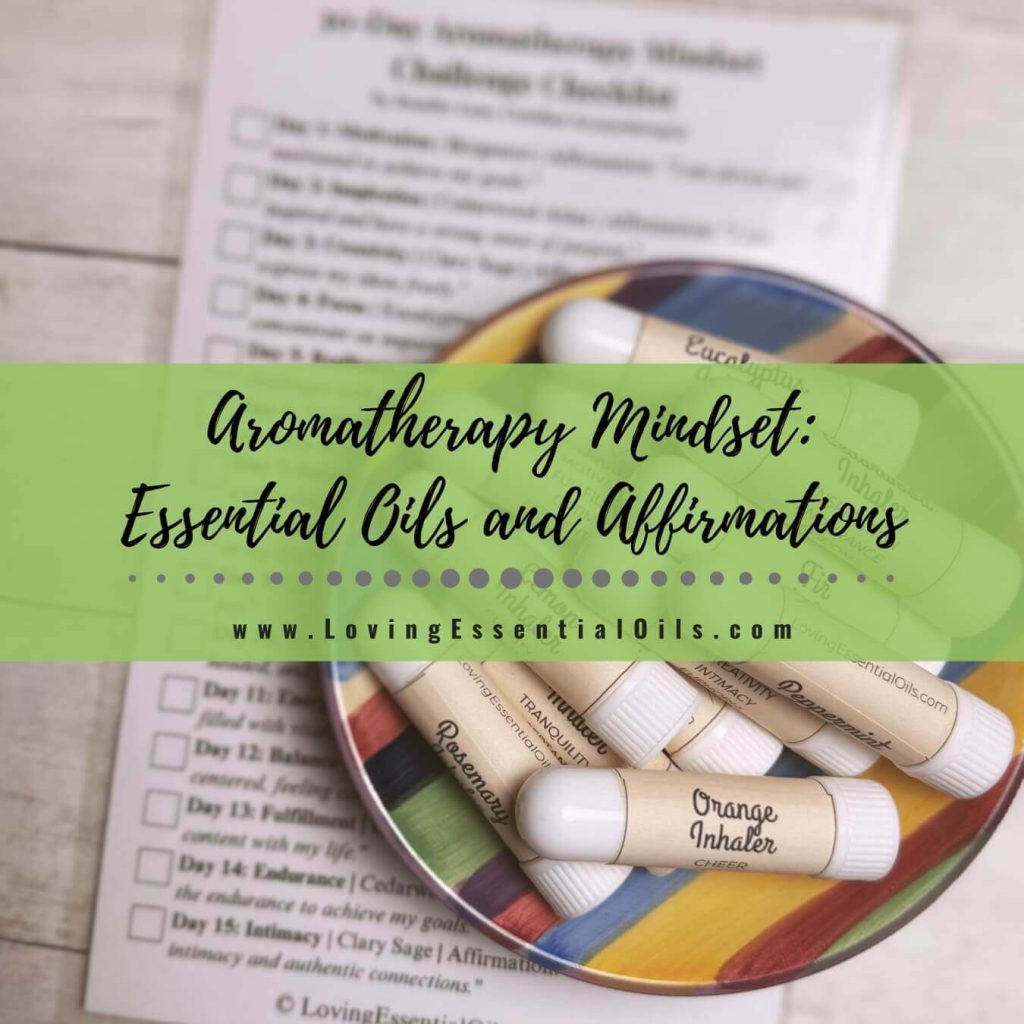
With this in mind, discovering how to effectively implement positive affirmations can pave the way for a more tranquil inner environment, even amid chaos. Consider integrating affirmations into your morning routine or journaling practice. You might even choose to place them on sticky notes around your home or workspace, serving as constant reminders of your ability to persevere and thrive. The journey to a more positive mindset begins with the simple act of speaking kindly to oneself.
DISCOVER MORE: Click here to find out how
Integrating Positive Affirmations into Daily Life
To truly harness the power of positive affirmations, it is essential to incorporate them into your daily routine. This practice not only helps in managing stress but also acts as a gentle reminder to maintain self-awareness and clarity in turbulent times. Here are some effective strategies for integrating positive affirmations into your life:
- Morning Rituals: Start your day with 5-10 minutes dedicated to positive affirmations. As you wake up, take a moment to reflect on the affirmations that resonate with you. Reciting statements like “I am in control of my thoughts and emotions” can set a positive tone for the day ahead.
- Mindful Breaks: Throughout the day, when stress begins to build, take short breaks to practice your affirmations. Close your eyes, breathe deeply, and repeat affirmations such as “I choose peace and calm.” This simple pause can recalibrate your mindset and reduce feelings of anxiety.
- Visual Reminders: Place sticky notes with your favorite affirmations in visible places around your home, office, or even on your bathroom mirror. These visual cues serve as constant reminders of your strength and resilience, helping to challenge intrusive negative thoughts effectively.
- Journaling: Spend time in reflection by writing down your affirmations. Journaling can be a powerful tool for self-discovery and healing. Write about your feelings and incorporate affirmations into your entries, such as “I am worthy of love and happiness.” This practice not only reinforces the affirmations but also allows you to explore deeper emotions.
The act of regularly repeating positive affirmations creates a neural pathway in your brain, gradually rewiring your thought processes. According to the American Psychological Association, the brain’s neuroplasticity means that you can foster a mindset of calmness and resilience through intentional practice. When you replace negative self-talk with affirmative statements, you empower yourself to react more positively to stressors.
Additionally, nurturing a calm mindset isn’t just beneficial for your mental health; it significantly impacts your physical well-being. Stress can lead to various health problems, including hypertension and heart disease. By embracing positive affirmations, you not only reduce stress but can also lower your risk of these associated health issues. A study published in the journal *Health Psychology* highlighted that individuals who consistently practiced self-affirmation reported lower stress levels and healthier physiological responses.
As you explore the potential of positive affirmations, remember that consistency is key. The journey toward a calmer mindset is a gradual process that requires dedication. However, with time and practice, positive affirmations can become natural, transforming how you respond to stress and enhancing your overall quality of life.
| Advantages | Impact on Stress Management |
|---|---|
| Increased Self-Esteem | Positive affirmations strengthen your self-worth, allowing you to face stressors with confidence. |
| Enhanced Focus | By focusing on positive thoughts, you can filter out distractions and foster a calm mindset. |
| Emotional Resilience | Affirmations can create a buffer against stress, leading to better emotional regulation. |
| Improved Mental Clarity | Harnessing positive affirmations promotes clarity in decision-making, especially under pressure. |
Integrating positive affirmations into your daily routine offers numerous benefits tailored to combat stress. The act of vocalizing or writing these affirmations engages the brain in a unique manner, actively reshaping its responses to stress. By continually reminding ourselves of our strengths and worth, we cultivate a healthier mindset that allows for greater control during chaotic moments. This approach not only aids in alleviating immediate stress but also builds a long-lasting foundation for mental well-being, making it essential for anyone looking to enhance their coping strategies. Furthermore, research supports the notion that individuals who habitually practice positive affirmations tend to experience an uptick in overall satisfaction and happiness, further mitigating the adverse effects of stress.
DISCOVER: Click here to unlock the power of positive affirmations
The Science Behind Positive Affirmations
Understanding the underlying mechanisms that contribute to the efficacy of positive affirmations can provide deeper insights into how they work to cultivate a calm mindset during stressful times. Recent research has delved into the neurobiological effects of positive self-talk, revealing compelling reasons why affirmations can truly make a difference in our mental health.
One pivotal aspect is the role of cognitive restructuring. Cognitive behavioral therapy (CBT) emphasizes the importance of challenging negative thought patterns. By reframing these thoughts through positive affirmations, individuals can shift their mental focus. Research published in the *Journal of Personality and Social Psychology* indicates that individuals who recognize and challenge their negative thoughts report a significant reduction in stress and anxiety levels.
Additionally, affirmations activate the brain’s reward center, especially the nucleus accumbens, which is known for processing feelings of pleasure and motivation. When you repeat affirmations that resonate with you, your brain releases dopamine, promoting a sense of well-being and happiness. This biochemical reaction reinforces the positivity of your affirmations, creating a loop of motivation and calmness that enhances your ability to handle stress.
Incorporating mindfulness with positive affirmations amplifies their impact. Mindfulness encourages individuals to focus on the present moment while acknowledging their feelings without judgment. Pairing affirmations with mindful practices can deepen their effectiveness. For instance, meditative breathing exercises combined with affirmations like “I am centered and at peace” can enhance mental clarity and emotional stability during difficult moments.
The Role of Community and Support
Furthermore, the social context in which affirmations are practiced cannot be overlooked. Engaging in affirmations as part of a group can amplify their benefits. Support groups or therapy sessions that incorporate positive affirmations often foster an environment of acceptance and reinforcement. Being surrounded by like-minded individuals who share similar struggles can validate your experiences and enhance motivation. Research has shown that group therapy participants who engage in affirmation practices report a greater sense of belonging and improved coping mechanisms.
In the age of technology, online platforms and social media have emerged as valuable resources for affirmation practice. Numerous apps and online communities provide daily affirmations, further extending the reach of this practice. For instance, popular apps like “ThinkUp” allow users to create personalized affirmations and listen to them daily. The accessibility of these tools enables individuals—especially those in the United States experiencing overwhelming stress from work, societal pressures, or personal challenges—to cultivate a supportive environment despite their circumstances.
Challenges and Considerations
While the benefits of positive affirmations are compelling, individuals may also face challenges as they begin to adopt this practice. Those who struggle with deeply entrenched negative beliefs may find it difficult to fully embrace affirmations. In these cases, it is crucial to start with achievable statements that feel authentic, gradually increasing the positivity of the affirmations as self-efficacy develops.
Moreover, individuals should be cautious of relying solely on affirmations as a solution for deeper-rooted issues, such as clinical anxiety or depression. A holistic approach that marries affirmations with other therapeutic practices, such as counseling or physical activities, often produces the most substantial improvements in mental well-being.
In conclusion, the integration of positive affirmations into daily life is not merely a feel-good exercise—it holds the potential for profound changes in how we manage stress. The combination of science, community support, and mindfulness practices creates a solid foundation for cultivating a calm mindset, proving that in turbulent times, the words we speak can indeed shape our reality.
DON’T MISS: Click here to deepen your understanding
Final Thoughts on Positive Affirmations
In today’s fast-paced and often chaotic environment, the practice of positive affirmations emerges as a promising tool for fostering mental resilience and tranquility. As we’ve explored, the science behind positive affirmations illustrates their capacity to reshape our thought patterns, boost mood-enhancing neurotransmitters, and encourage mindfulness. These benefits are magnified within community settings, where shared experiences contribute to feelings of belonging and support.
While affirmations aren’t a panacea for all psychological challenges, they can be an effective component of a broader mental health strategy. Starting with small, achievable affirmations can build self-efficacy and gradually expand one’s capacity for positivity. A combined approach that includes therapy, mindfulness, and healthy lifestyle choices will yield the most effective results in stress management.
As you navigate stress, consider incorporating daily affirmations into your routine. Simple phrases such as “I am capable of overcoming challenges” or “Peace begins with me” can create a powerful shift in your mindset. Furthermore, explore various apps and online communities dedicated to affirmation practices, which can offer additional support and inspiration.
The journey toward a calm mindset starts from within, and through the intentional use of positive affirmations, you can cultivate a more resilient and peaceful self. In a world filled with uncertainty, remember that the words you choose to embrace can profoundly influence your emotional landscape and overall well-being. Embrace the potential of positive affirmations—they may just transform the way you approach life’s challenges.