
The Impact of Daily Affirmations on Mental Health: Strengthening the Mindset for Emotional Well-Being

Understanding the Practice of Daily Affirmations
In an era increasingly focused on mental health and well-being, daily affirmations have emerged as a straightforward and powerful technique for individuals seeking to foster a positive mindset. This practice, which involves repeating positive statements about oneself or one’s goals on a consistent basis, has the potential to act as a mental reset, possibly leading to improved emotional health.
Research supports the beneficial effects of affirmations in various aspects of life. For instance, a study published in the journal Psychological Science found that engaging in self-affirmation exercises can lead to a higher sense of self-worth and improved resilience in stressful situations. Here are some key benefits of incorporating affirmations into daily routines:
- Boost Self-Esteem: By regularly repeating positive statements, individuals can fortify a healthy self-image. For example, a person may repeat phrases like “I am capable and strong,” which can gradually enhance their self-perception and the way they handle challenges.
- Reduce Stress: In high-pressure scenarios, such as during a public speaking engagement or an important meeting at work, affirmations can act as a calming technique. Statements like “I am prepared and confident” can minimize anxiety, allowing individuals to perform at their best.
- Enhance Focus: Affirmations can help sharpen concentration on personal goals and aspirations. For instance, an athlete might recite, “I am focused and determined,” which can aid in maintaining focus during training sessions, leading to better performance outcomes.
Across the United States, countless individuals—ranging from professional athletes to everyday workers—employ affirmations to cultivate resilience and navigate life’s complexities more effectively. Notably, well-known figures like Oprah Winfrey and Tim Ferriss have publicly acknowledged their use of affirmations, demonstrating their prevalence in both everyday life and high-stakes environments.
The significance of recognizing the impact of daily affirmations lies in their ability to empower individuals to challenge negative thoughts. Instead of allowing self-doubt or fear to dominate their mindset, people can replace these feelings with uplifting messages. This ongoing practice not only paves the way for positive change but also encourages a more optimistic outlook on life.
By delving deeper into this enriching topic, we uncover how these small yet mighty practices can substantially bolster emotional resilience. As they become a part of daily routines, affirmations can transform mental habits, leading to a healthier mindset, improved relationships, and a greater sense of purpose in life.
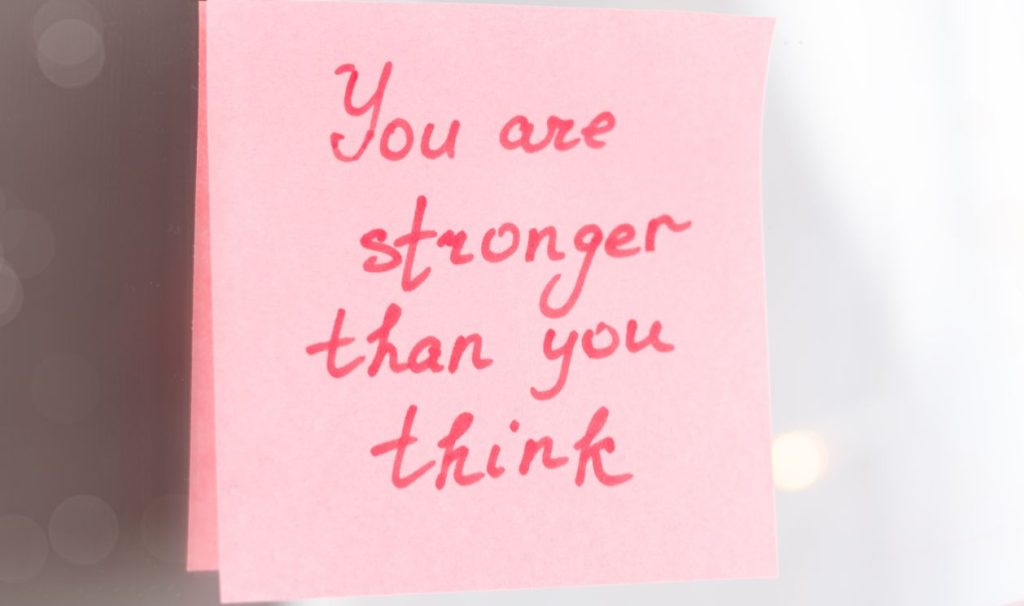
DISCOVER MORE: Click here to learn about the transformative power of daily affirmations
Unlocking the Power of Positive Thinking
Daily affirmations serve as a key to unlocking the innate potential within us. By consciously choosing to repeat uplifting phrases, individuals can reshape their internal dialogues and cultivate a satisfying emotional climate. The science behind this practice is compelling. When engaging in consistent affirmations, the brain begins to recognize these positive statements as truth, leading to noticeable shifts in mindset and perception. This, in turn, can significantly influence overall mental health.
One of the most striking aspects of daily affirmations is their ability to create cognitive dissonance, letting individuals challenge negative beliefs. For instance, a person who often thinks, “I am not deserving of success,” can counteract that thought with the affirmation, “I am worthy of achieving my dreams.” Over time, such repetitions can effectively challenge deep-seated self-esteem issues, providing the individual with a compelling argument against their inner critic.
The potential benefits are extensive and can be experienced across various dimensions of life. Here are several ways that daily affirmations can impact emotional well-being:
- Improved Emotional Regulation: Regular affirmation practice encourages individuals to confront their emotions constructively. By reinforcing helpful thoughts, they can navigate feelings of sadness or anxiety with greater ease and poise.
- Increased Optimism: Affirmations foster a more positive outlook on life. Statements like “Every day is a fresh start” can help enhance overall mood and enable individuals to focus on opportunities rather than obstacles.
- Strengthened Resilience: The practice of affirming one’s strengths and capabilities can prepare individuals for setbacks. By regularly reminding themselves of their adaptability, they are better equipped to face life’s challenges.
The historical context of affirmations traces back to ancient practices, such as those found in Stoicism and Buddhism, where individuals were encouraged to reflect on positive truths about themselves. However, the popularity of affirmations surged in the late 20th century, particularly with the emergence of the self-help movement. Bestselling books and workshops proliferated, promoting the idea that affirmations could lead to transformative life changes.
Today in the United States, as more people grapple with stress and mental health challenges—especially amid recent global events—the adoption of affirmations has gained traction. Various well-being apps and online communities have sprung up, encouraging members to share their personal affirmations and experiences, further solidifying the practice as a daily ritual.
This vibrant movement not only sheds light on how daily affirmations can serve as a tool for personal growth but also lays the groundwork for broader discussions on mental health. As individuals embrace these affirmations, they not only empower themselves but also contribute to a larger dialogue about the importance of a positive mindset in achieving emotional well-being.
| Advantages of Daily Affirmations | Impact on Mental Health |
|---|---|
| Strengthen Self-Esteem | Boosts confidence and promotes self-acceptance. |
| Reduces Anxiety | Daily repetition can help in alleviating feelings of worry. |
| Promotes Positive Thinking | Encourages a mindset shift away from negativity. |
| Improves Resilience | Enhances the ability to cope with life’s challenges. |
Daily affirmations can significantly shape one’s mental health landscape. Individuals who engage in these positive declarations often find themselves cultivating a more robust sense of self-worth. The act of affirming one’s abilities and value not only strengthens self-esteem but also instills a greater acceptance of one’s identity. For many, making quotes or mantras a part of their daily rituals can translate into a *profound boost in confidence*, influencing both personal and professional domains.Moreover, the repetitive nature of affirmations plays a critical role in reducing anxiety levels. Owners of anxious minds often find solace in the augmented self-assurance that comes from regular validation of self-capacity, thus leading to a decrease in overall worry. The impact here is tangible; numerous studies underscore the correlation between daily affirmations and lower anxiety rates.Additionally, affirmations serve as powerful tools in promoting positive thinking. In a world where negativity can dominate our internal dialogue, these positive statements prompt a much-needed shift in mindset. The beneficial implications extend beyond simple mood enhancement; they can *forge pathways to creativity, motivation, and overall well-being*.Finally, the resilient demeanor fostered through daily affirmations cannot be overlooked. Those who actively participate in this practice exhibit an enhanced ability to confront life’s inevitable challenges. The recurring affirmations act as reinforcement, equipping individuals with the mental strength necessary to navigate obstacles with greater ease. The nuanced benefits of daily affirmations can be remarkably transformative, inviting readers to delve deeper into this empowering practice.
DISCOVER MORE: Click here to learn about using affirmations
The Science Behind the Shift: Neuroplasticity and Affirmations
The intriguing relationship between daily affirmations and mental health can be further understood through the lens of neuroplasticity, the brain’s remarkable ability to reorganize itself by forming new neural connections throughout life. This concept is pivotal for anyone looking to grasp the full impact of affirmations on their emotional well-being. When individuals engage in positive self-affirmation, their brains can literally change the structure and function associated with self-perception.
Research has shown that consistent practice of affirmations can activate the prefrontal cortex, an area of the brain responsible for higher-order thinking, decision-making, and emotional regulation. A 2014 study published in the journal ‘Psychological Science’ suggests that self-affirmation can buffer the impact of stress and reduce defensive responses. This translates to improved emotional stability, allowing individuals to not only accept their shortcomings but also to embrace their strengths.
Moreover, the connection between affirmations and mental health becomes even clearer when one considers their role in the stress-reducing process. Daily affirmations can help regulate levels of cortisol, the hormone associated with stress. Individuals who adopt this practice report lower levels of anxiety and enhanced feelings of control over their lives. Instead of being tossed around by life’s unpredictable waves, they find a steady ship in the form of positive affirmations.
Another significant aspect of affirmations that can’t be overlooked is their community aspect. Individuals are increasingly utilizing social media platforms to share and discuss their affirmations. This communal experience not only reinforces personal commitments but also creates a support network for those striving to improve their mental health. In the United States, platforms such as Instagram and TikTok have given rise to a community-driven movement where users share their daily affirmations, inspiring others and fostering a sense of togetherness—an essential component of mental well-being.
- Affirmation Apps: The growing popularity of well-being apps like ThinkUp and Affirmation Pod demonstrates how technology is leveraged to cultivate positive mindsets. These platforms provide users with a toolkit for creating personalized affirmation tracks that can be incorporated into their daily routines.
- Embedding Affirmations into Daily Life: Incorporating affirmations into existing habits, such as during morning routines, while commuting, or before bedtime, can enhance effectiveness. The key is consistency; repeated exposure to positive statements can lead to gradual yet significant shifts in self-perception.
- Journaling and Affirmations: Pairing affirmations with journaling can deepen the impact. By writing down affirmations and reflecting on their meanings, individuals can internalize these messages more profoundly, allowing for a richer emotional experience.
The convergence of neuroplasticity, technological support, and communal engagement showcases how daily affirmations can be woven into the fabric of modern life. As more individuals turn to affirmations as a practical tool, it opens avenues for greater exploration into their potential as mechanisms for enhancing mental health. With growing recognition of their influence, it becomes clearer that daily affirmations are not merely fleeting trends but rather foundational practices capable of fostering resilience, confidence, and emotional balance.
DIVE DEEPER: Click here to learn more
Conclusion: The Transformative Power of Daily Affirmations
In summary, the growing body of evidence underscores the profound effect that daily affirmations can have on mental health and emotional well-being. By actively engaging in positive self-talk, individuals harness the transformative power of neuroplasticity, leading to significant alterations in brain function and emotional resilience. The activation of the prefrontal cortex not only bolsters decision-making and emotional regulation but also fosters a healthier self-image and the capacity to manage stress more effectively.
Moreover, the integration of affirmations into daily routines, whether through mobile apps, journaling, or community support on social media platforms, illustrates a modern approach to enhancing mental wellness. As users share their experiences, they create vibrant networks that cultivate a sense of belonging and encouragement, further reinforcing their commitment to self-improvement. In a world characterized by uncertainty and rapid change, this collective effort accelerates personal growth and resilience.
As we continue to explore the intersection of mental health and self-affirmation, it is crucial to recognize that these practices are far from temporary trends. They represent fundamental strategies that can empower individuals to navigate the complexities of life with confidence and emotional stability. Embracing daily affirmations is not merely an act of positive thinking—it is a commitment to nurturing a stronger, more resilient mindset that thrives amidst adversity. As more people incorporate these techniques into their lives, the potential for collective emotional well-being grows, paving the way to a healthier future for all.